

Before Words, There Was Song
If you’re anything like me, you can’t help it.
You’re driving alone. Or cooking in the kitchen. Or lying on the floor at the end of a long day. A song comes on, and without thinking, you’re in it. Something about it speaks to you in ways nothing else can. You start to sing along—maybe quietly, maybe badly, maybe just a hum.
And suddenly, something shifts.
Your breath drops. Your chest softens. You feel more here. Sometimes there’s emotion you didn’t expect—relief, longing, grief, joy. It can be surprising how quickly singing opens something that talking never quite reaches.
Why does that happen?
We’re hardwired for it.

We Sang Before We Spoke
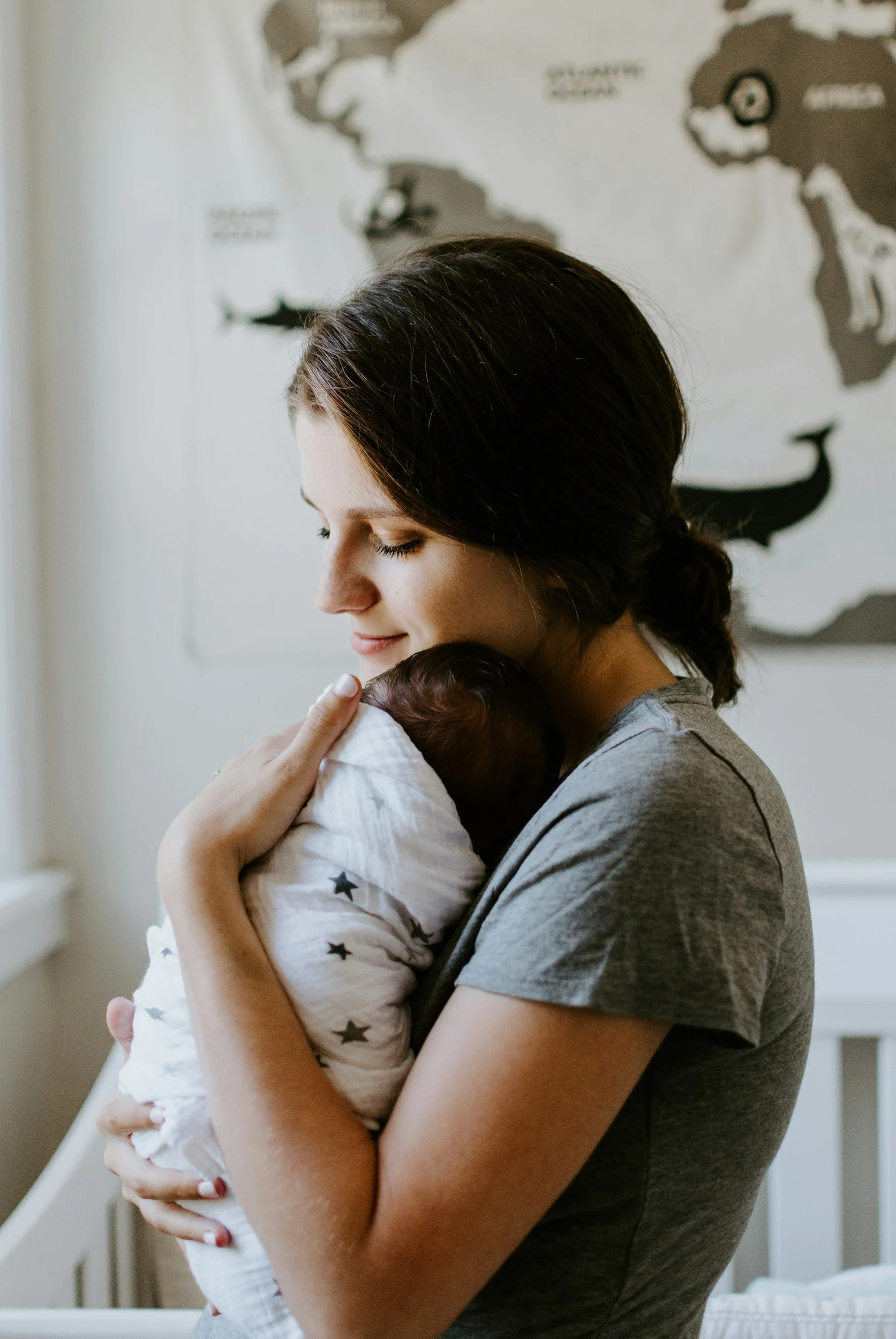
Long before humans developed structured language, we used our voices to connect. Early vocalization was likely rhythmic, melodic, and relational—more like song than speech. We called to one another. We soothed infants. We signaled safety, danger, belonging. Voice was not about conveying information; it was about regulation and relationship. It was about full human expression—not just cognitive, but emotional and whole.
In that sense, singing isn’t a hobby we picked up later. It’s an ancient function of the human nervous system. Our bodies remember this, even if our culture has forgotten it. When we sing, we’re not learning something new—we’re returning to something old. Something deeply familiar.
That’s why vocalizing so intimately and immediately stimulates the vagus nerve—the major pathway for calming and regulating the stress response.
Why Singing Unlocks What Talking Can’t
Speech is efficient. It’s cognitive. It’s shaped by rules and expectations. Most of us learn very early how to speak in ways that are acceptable, coherent, and controlled.
Singing is different.
To sing, you have to breathe more fully. You have to allow vibration through the chest, throat, face, and belly. You have to slow down enough to feel sound moving through you. You connect not just with words, but with deep emotion and self-expression. Singing engages the whole body, the whole self, in a way speech rarely does.
And here’s the thing: because of that, singing makes it much harder to stay armored.
Tension becomes obvious. Emotion surfaces. The body starts to speak in sensations rather than sentences. This is why singing can feel deeply vulnerable—or even frightening—for some people. It bypasses our usual strategies for staying contained.
But it’s also the key to unlocking your truth, your power, and self-trust like you’ve never felt before.
When the Voice Tells the Truth First
Many people are highly articulate and deeply disconnected at the same time. We can explain how we feel without actually feeling it. We can perform confidence while holding our breath. We can say the right words while our bodies quietly disagree.
Singing has a way of revealing what’s underneath.
You might notice where your voice wants to drop but you keep it lifted, where it strains instead of resting, where emotion catches before you have language for it. These aren’t problems to fix—they’re information.
Often, the voice knows something before the mind does.
This is where singing becomes a practice of self-trust—not because it gives answers, but because it restores communication between sensation, emotion, and expression.
Why This Matters If You Speak, Lead, or Create
If you do any kind of public speaking, teaching, facilitation, or creative work, your voice is one of your primary instruments. And yet, most voice training focuses on technique or performance, not presence.
Singing the way we do it here supports a different kind of vocal authority—one rooted in embodiment rather than effort.
When the singing voice is allowed space, the speaking voice often becomes more grounded, resonant, and flexible. There’s less pushing, less strain, and more capacity to respond in the moment.
For creatives, singing can reopen play and emotional range. For leaders and speakers, it can restore authenticity—not as a personality trait, but as a physiological state of coherence. You literally relate to your audience on a cellular level that they don’t even realize—but suddenly they feel your message resonate through their entire being.
This isn’t about becoming a singer instead of a speaker. It’s about reconnecting with the roots of voice so that whatever you say is supported by the whole self.
Reclaiming the Singing Voice (Without Needing to Be “Good”)
Many people stop singing because they were told—explicitly or implicitly—that they weren’t good at it. Others learned to associate singing with exposure or judgment. The result is often the same: the singing voice gets shut down.
Reclaiming it doesn’t require talent or training.
It can start very simply:
Humming while you cook
Toning a single note and noticing where it vibrates
Singing quietly to yourself without trying to sound any particular way
The goal isn’t to make something beautiful. It’s to listen, to feel, to allow sound to move through you without editing it. Over time, this kind of attention can soften old holding patterns and restore a sense of internal permission.
An Invitation
Singing isn’t about becoming someone else. It’s about remembering who you were before you learned to monitor, manage, and mute your expression. Before words carried so much weight. Before the voice had to prove anything.
If you’re curious, try this:
Take one slow breath. On the exhale, let out a gentle sound—any pitch, any tone. Notice what happens in your body. Notice what you feel.
Your voice may be trying to show you something you don’t yet have words for.
And that might be exactly the point.